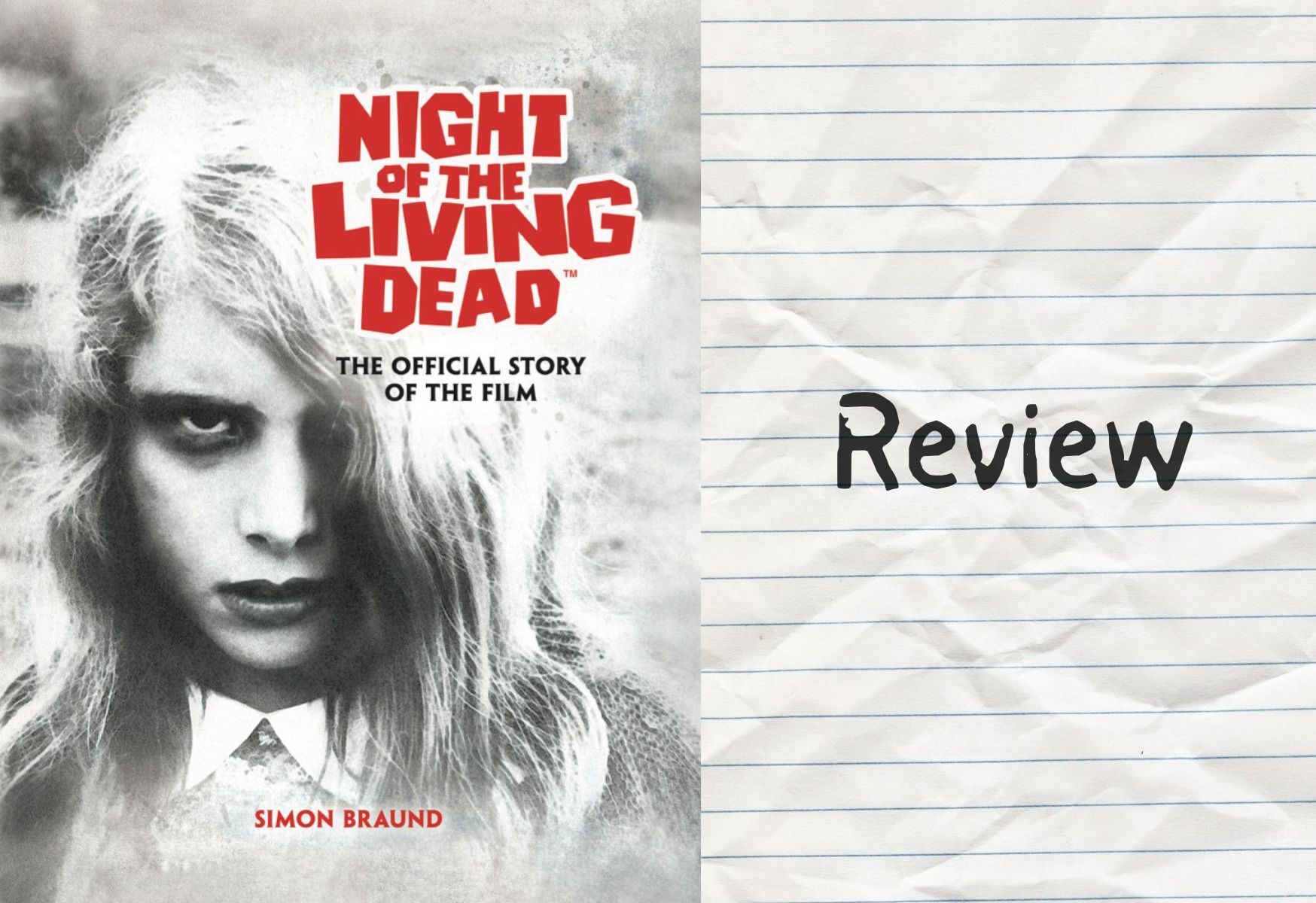
Published by Titan Books on August 18th, Night of the Living Dead: The Official Story of the Film is a retrospective presenting the highs and lows of the film’s history and conception in a linear timeline. Not a comprehensive biographical venture of the filmmakers, nor a deep dive into treaded territory, the book is a balanced recollection of the filmmaking journey, featuring quotes and stunning images of BTS, stills, and promotional materials.
The book starts off with an introduction about the film and its impact on cinema. Author Simon Braund adds further background information about the filmmakers to prepare every level of fan for the book they’re about to partake in. This segues into the initial conversations George A. Romero and Russ Streiner had at their preferred Pittsburgh haunt. The goal for the friends had always been the same: to make a “real” movie. With wisdom and foresight generally expected of someone far older, they decided to home their skills in advertising before attempting to make a proper feature film.
After establishing this jumping point, Braund breaks the journey into chronological chapters. They’re separated as such: pre-production, filming, post-production, distribution, release and reception, and legacy, respectively. Some chapters are meatier than others, depending on how many sections they feature. For instance, pre-production is filled with goodies like location hunting, casting, and discussions on the ghouls. With this in mind, there are aspects of this timeline that will pique everyone’s interests. Want to know more about changes to the script? Got it. Always wondered about the shooting schedule? Check. Even experts on the film can find valuable information here. However, each chapter is stuffed with photographs, which outnumber the amount of original text throughout.
Over 50 years later, NIGHT OF THE LIVING DEAD still resonates as a posterchild for independent genre filmmaking. Braund did well to emphasize the hard work the entire crew put in to make their goal happen, amplifying just how big of a deal this film really was back then (and continues to be.) It’s an underdog story just for horror fans, making for a feel-good reading experience.
Those interested in the technical side of the filmmaking process do get those morsels of information, such as the cameras used for the shooting and the type of film used in distribution. The book does a wonderful job of not only taking readers inside the filmmaking process but also informing them of the setting. Romero was a proud Yinzer and the Pittsburgh spirit is an important component of the film. It was out of monetary necessity to keep things local, but it worked out beautifully. Braund mentions as many Pittsburgh locations relevant to the story as possible. This helps readers understand the true independence of the feature and gives them more historical context to ground them.
There are quotes from Russ Streiner, Gary Streiner, Jim Coronella, Judith O’Dea, Sharon Rapone, Paula Richards, Judith Ridley, and Dick Heckard, used mainly to reinforce points and add hints of personality to the page. Their reminiscing is heartfelt as they look back on one of the most exciting, singular times in their lives. The ghost of Romero is felt in between the pages as Braund fills in information from past interviews.
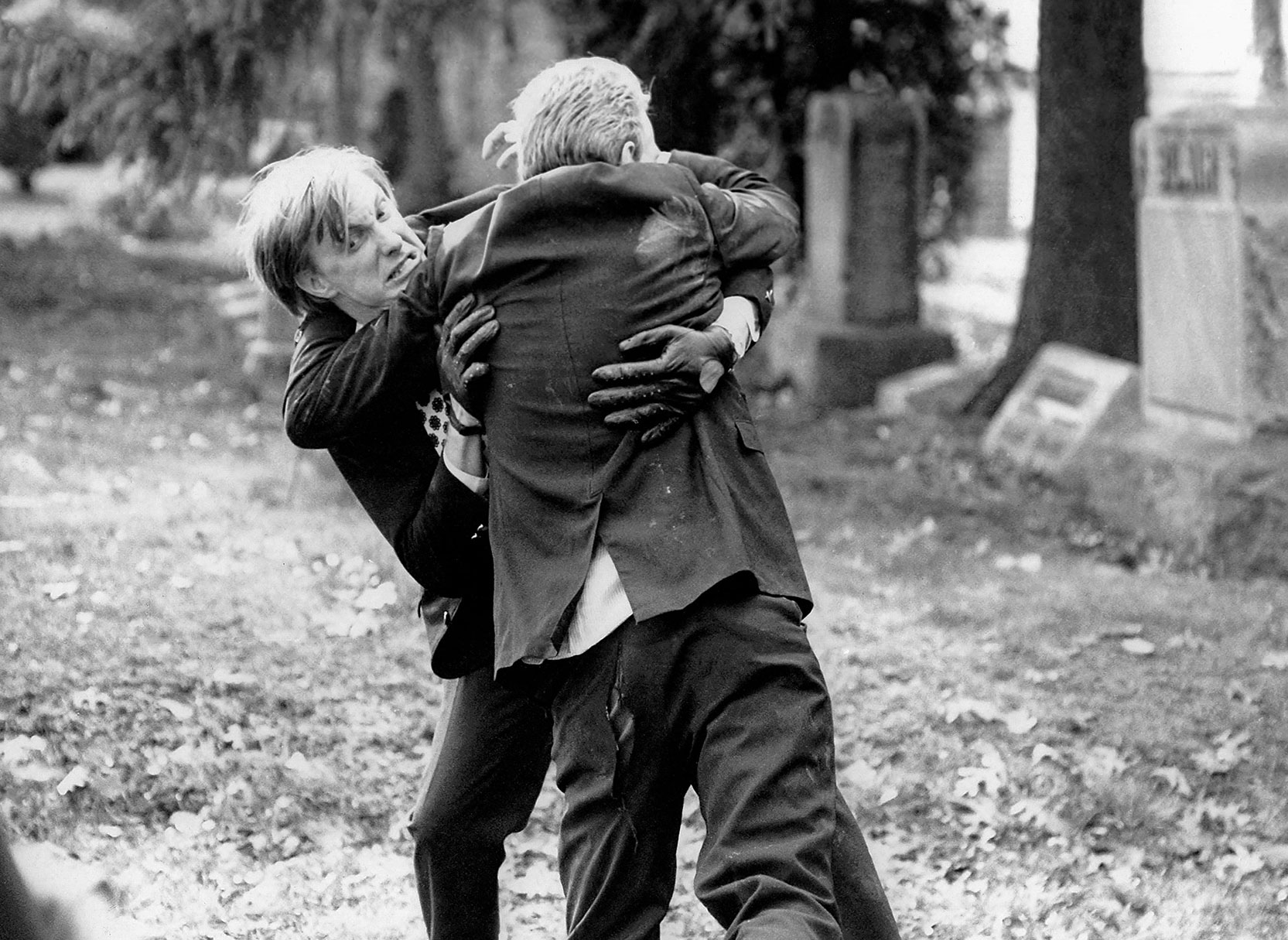
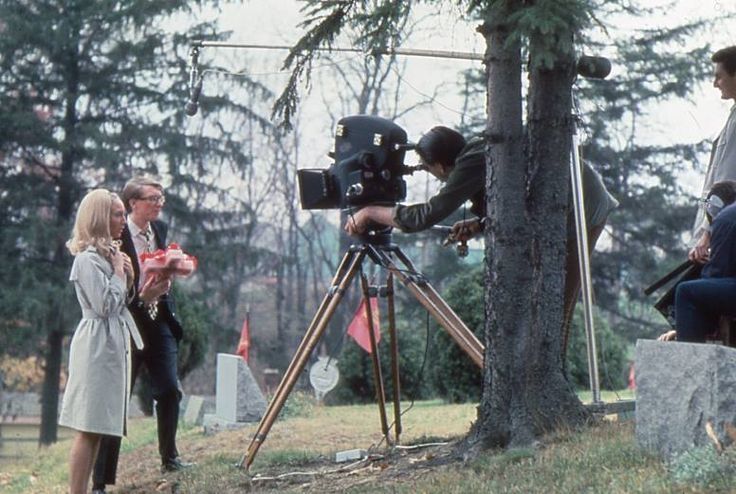
With most coffee table books, the glossy photographs command your gaze first. Here is where readers get to see behind the scenes shots of cast members and crew crystalized in time. There are also scans of the working script that’s dotted with Romero’s handwriting. It’s a shame these images were smaller space fillers and not full-sized pages. Other photographs, like shots from the film’s Pittsburgh premiere, are especially fascinating.
While he does make a couple erroneous claims, such as the “Goth Ghoul” extra in the film “launching the entire goth subculture almost singlehandedly,” the author does not undersell or overstate the film’s importance. Considering the book was published in collaboration with Image Ten, it’s not at all out of the norm for the tone to be highly praising.
The book’s greatest strength is its balance. Someone who has never heard of the film could read it and fully appreciate the film by the last page. Those well versed in it will appreciate the care put into the documentation, and will most likely learn a new fact or two. For instance, it’s noted that the crew furnished the entire house set for $50 by shopping at local Goodwill stores. Small but interesting tidbits like that help put the story into perspective. Overall, it’s a beautifully contained 192-page timeline of one of the genre’s most important contributions. You’ll learn about not only how making a movie works, but of the relationships and struggles experienced by the individuals who happened to make this one. Those who favor the film or the zombie genre overall are basically required to add it to their library.