Welcome to Dressing For Dread, a style analysis focusing on key characters in horror films.
An unsung hero in George A. Romero’s filmography, SEASON OF THE WITCH (originally released as HUNGRY WIVES,) is a bit less of a traditional horror film than audiences might have liked. Billed as a sleazy, softcore suburban housewife-gone-bored story, the film didn’t grab a lot of attention during its initial release. Its biggest draw for genre fans is its focus on witchcraft and its booming popularity throughout the 1960s and 70s. But instead of schlock and gimmicks, Romero’s script posed witchcraft as feminism. It was the necessary tool for protagonist Joan Mitchell to reclaim her power in a life that had drained it from her. Throughout SEASON OF THE WITCH, viewers can see the visual transformation of Joan as her confidence, identity, and strength reaches new heights.
Speculation
Joan Mitchell is an aging woman who is terrified of losing herself. A forgotten mother to a teenage daughter and a neglected, abused wife to a crass businessman, she spends her time maintaining her home, appearance, and social circles. Viewers first meet Joan in one of her dreams, which bounce between surreal symbolism to repeated nightmares of a prowler breaking in and assaulting her. When she meets a self-proclaimed witch, her curiosity is undeniable, despite the fear behind it. When she meets the provoking young man her daughter is sleeping with, her viewpoints are challenged. This serendipitous combination encourages Joan to stop despairing and to start creating the life she wants by experimenting with witchcraft and extramarital affairs. Joan is left wanting intimacy and attention. But more than anything, she craves a semblance of control over her own circumstances. Some may call her actions a midlife crisis. Others may see it as liberation, a wakeup call. Either way, she needs to dress the part to walk the way of the witch.
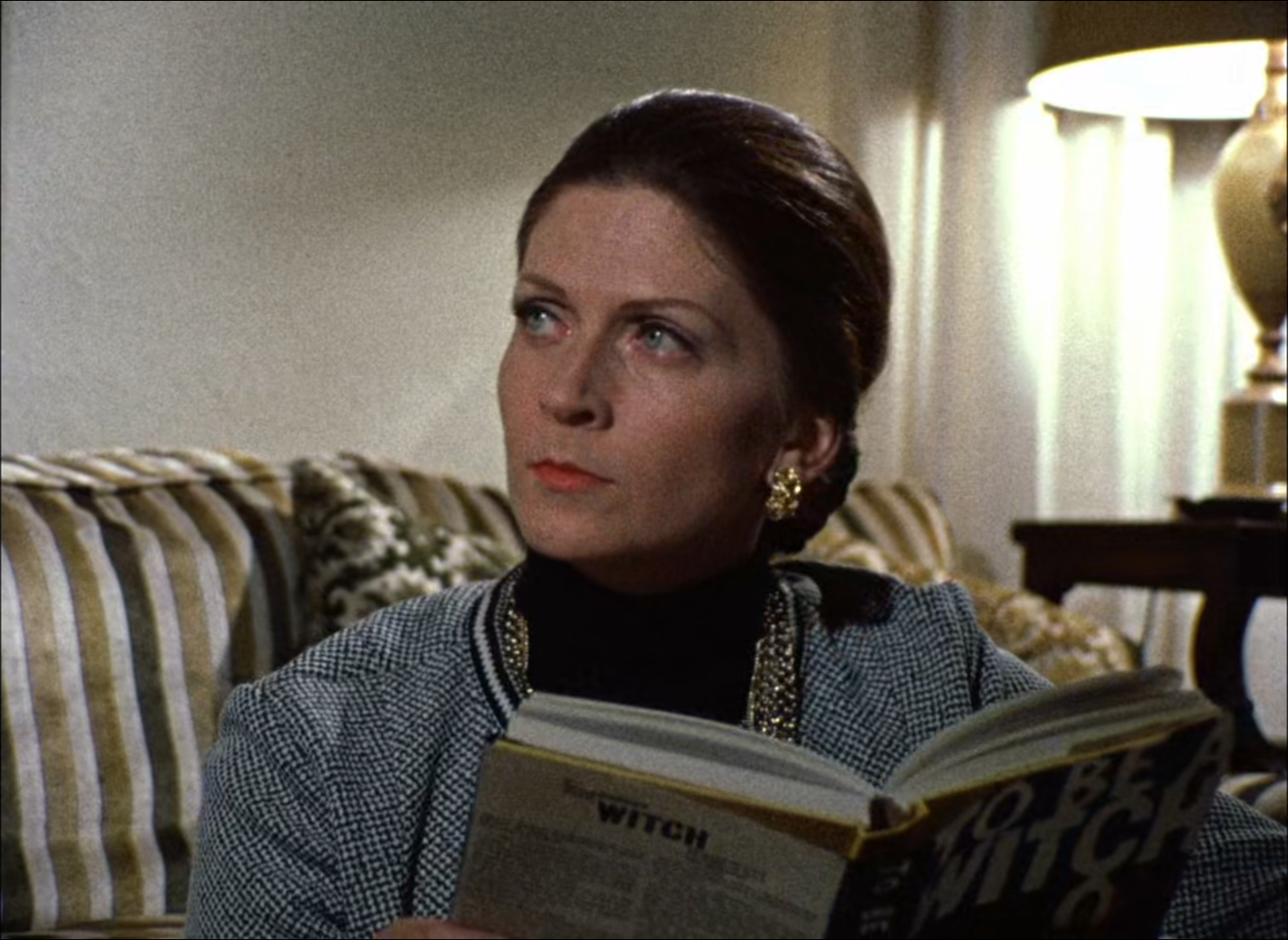
In the above blazer set, she reads as mature and serious. Her hair is slicked back low and neat. She does what she can to convey a sense of control and decency, as she is still just a complacent mother and wife in this scene. After discovering the book on witchcraft, Joan’s style begins to shift. In fact, it’s after her husband strikes her repeatedly when we see her wear her key color of orange finally appear. This signals the end of her tolerance and the dedication to a new chapter.
Vibrant and impossible to ignore, we see her in orange repeatedly in the film. In psychology, orange is said to represent transformation, transition, and courage. In spell work, orange is used to encourage confidence and success. It symbolizes the vitality and warmth of the sun, and channels renewal. It’s also associated with the sacral chakra located in the lower abdomen. It is linked to desire and emotional connection, two things Joan contemplates in the film. Whether or not the costumer intended for this color symbolism, it was an extraordinary choice for the protagonist’s spiritual journey.
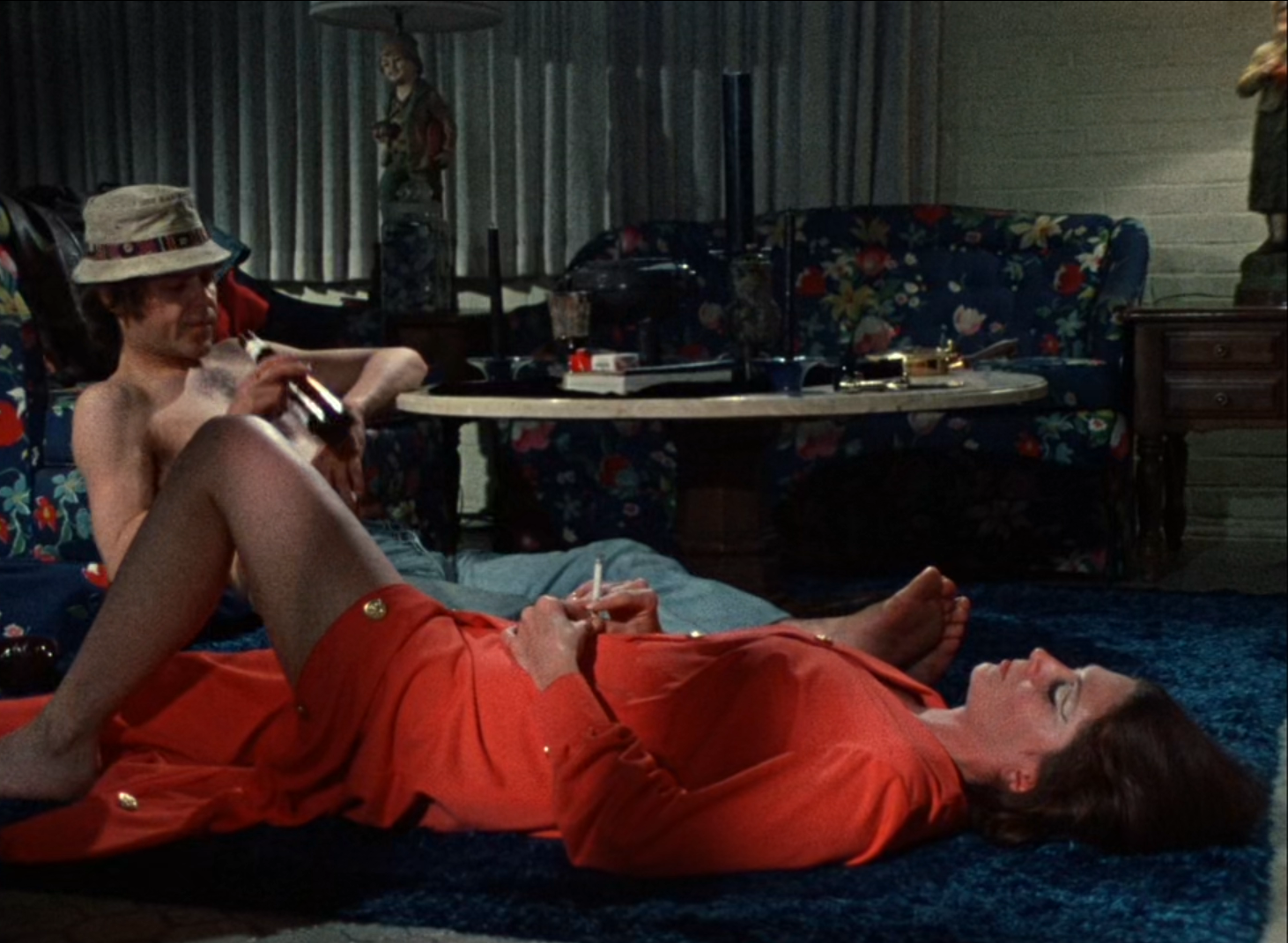
Her devotion to witchcraft is her second lease on life, especially during a time when perimenopause/menopause can disrupt the established relationship a woman has with not only herself, but the world. To dress her in red would have been misguided, as red symbolizes love. Green, linked to wealth and luck, isn’t on par with her goal. Even blue, the color of peace and wisdom, didn’t suit the radical shift happening within her. By the conclusion, her transition is completed and she wears her power as confidently as her eyeshadow.
Style
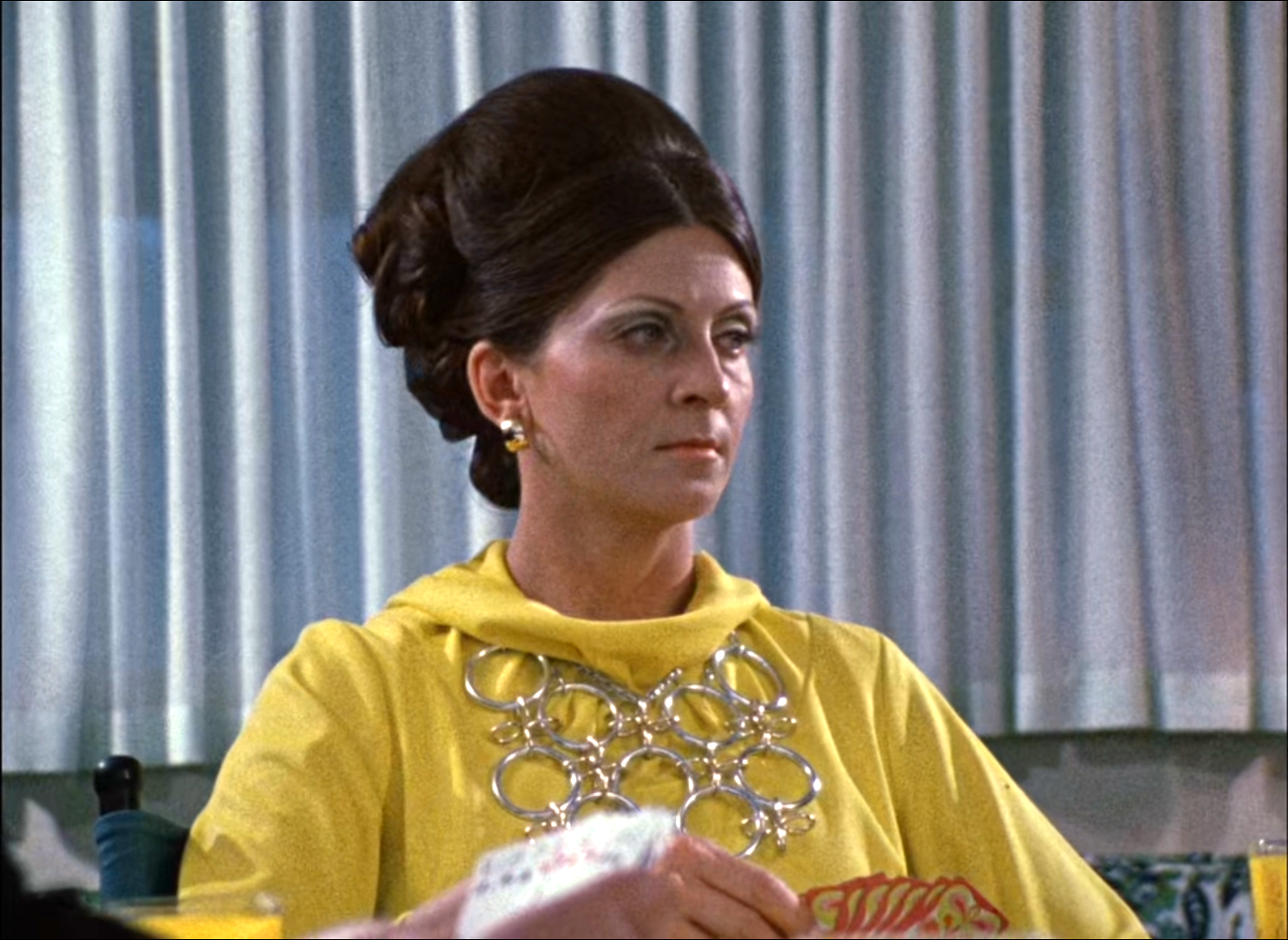
A lovely challenge attached to this film is that it has no credited costume designer. Gimbels, a now-defunct department store, was named as the sole costume and furnishings supplier. That means everything you see Joan wear is of the time, right off the rack from a local Pittsburgh shopping center. In a way, this fits the character perfectly. As a bored housewife, she has plenty of time and funds to go shopping. She’d be familiar with the latest trends and even more familiar with the women’s section.

Joan is a woman on top of her appearance. Wearing loud patterns and colors isn’t out of the ordinary in the early 1970s. The stiff, polyester getups she wears throughout the film are impeccably styled with her sleek, teased brunette hair and signature frosty blue eyeshadow. Her eyeliner is a dark brown or black, and wings out for a moderate cat-eye look. She favors a nude lipstick, but will sometimes wear a light coral. In the evening, she dons simple nightgowns in white or pale pink. She wears two different housecoats: one hypnotic purple-green-blue piece and the other a shocking coral with gold-tone buttons. Everywhere else, she is dressed to socialize. Joan’s style isn’t boxed in by any means, but she does tend to wear mock neck collars on either sweaters, tops, or dresses. Audiences see her in zip-ups, button-downs, ponchos, suits, trousers and the most retro dresses ever mustered on screen. Her nails are long and almond-shaped with a light beige lacquer. She loves to accessorize and isn’t afraid to load up the jewelry. She wears earrings, statement necklaces, rings, bracelets, belts, and hair scarves like a pro.
Key Scenes
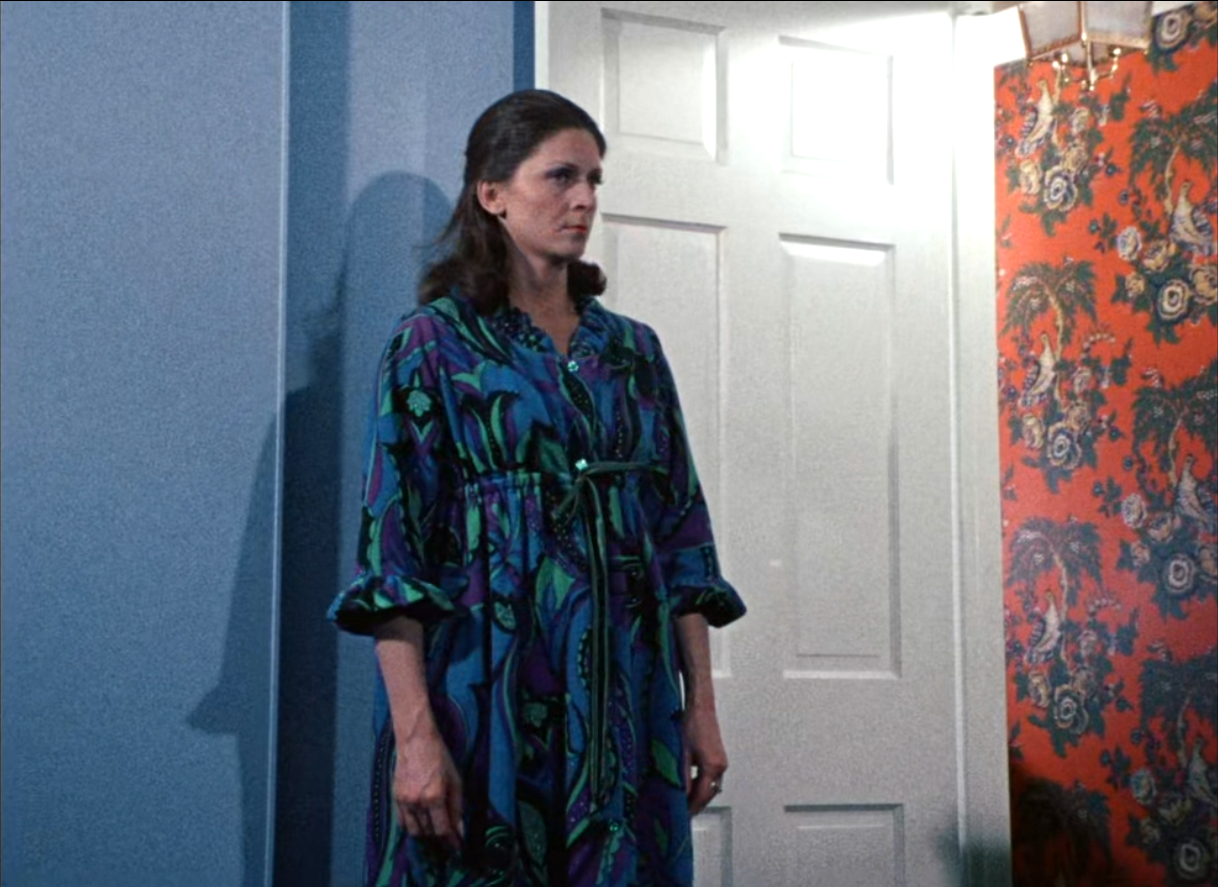
Joan’s reoccurring nightmares of aging and ruin often depict her in this fabulous purple and green housecoat, acting as a link between reality and imagination that’s blurred for both her and the audience.
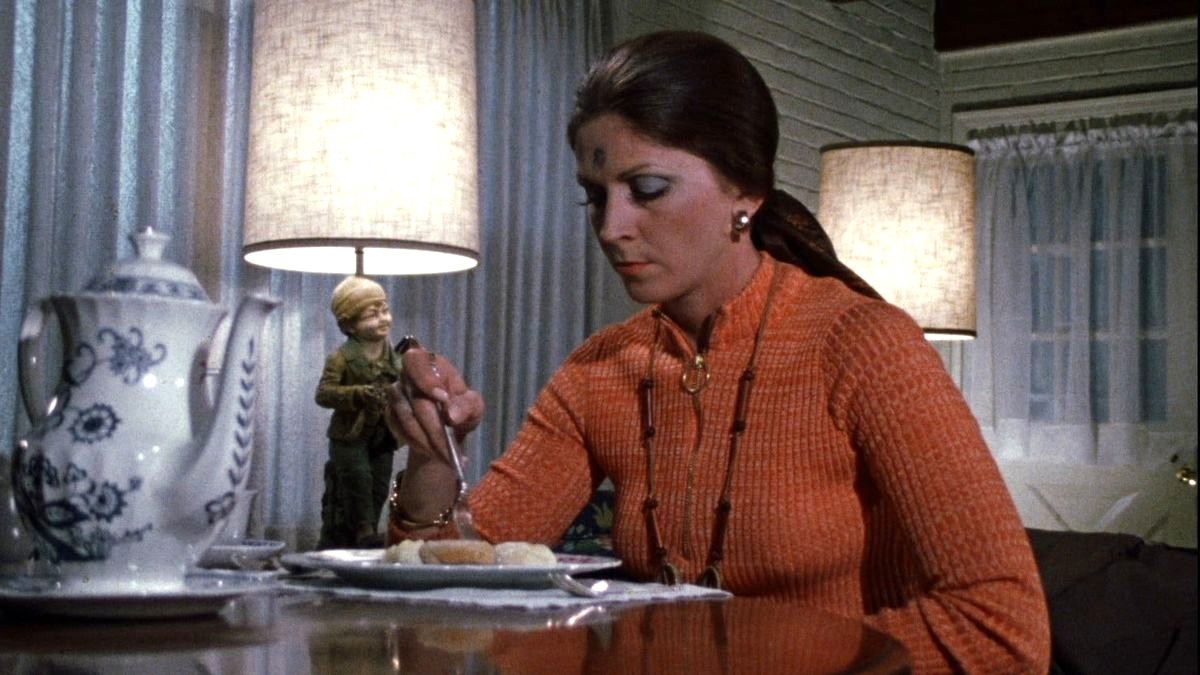
This is the outfit Joan wears when she performs a spell for the very first time. With her fake Ash Wednesday mark, her transformation into a witch has officially begun.
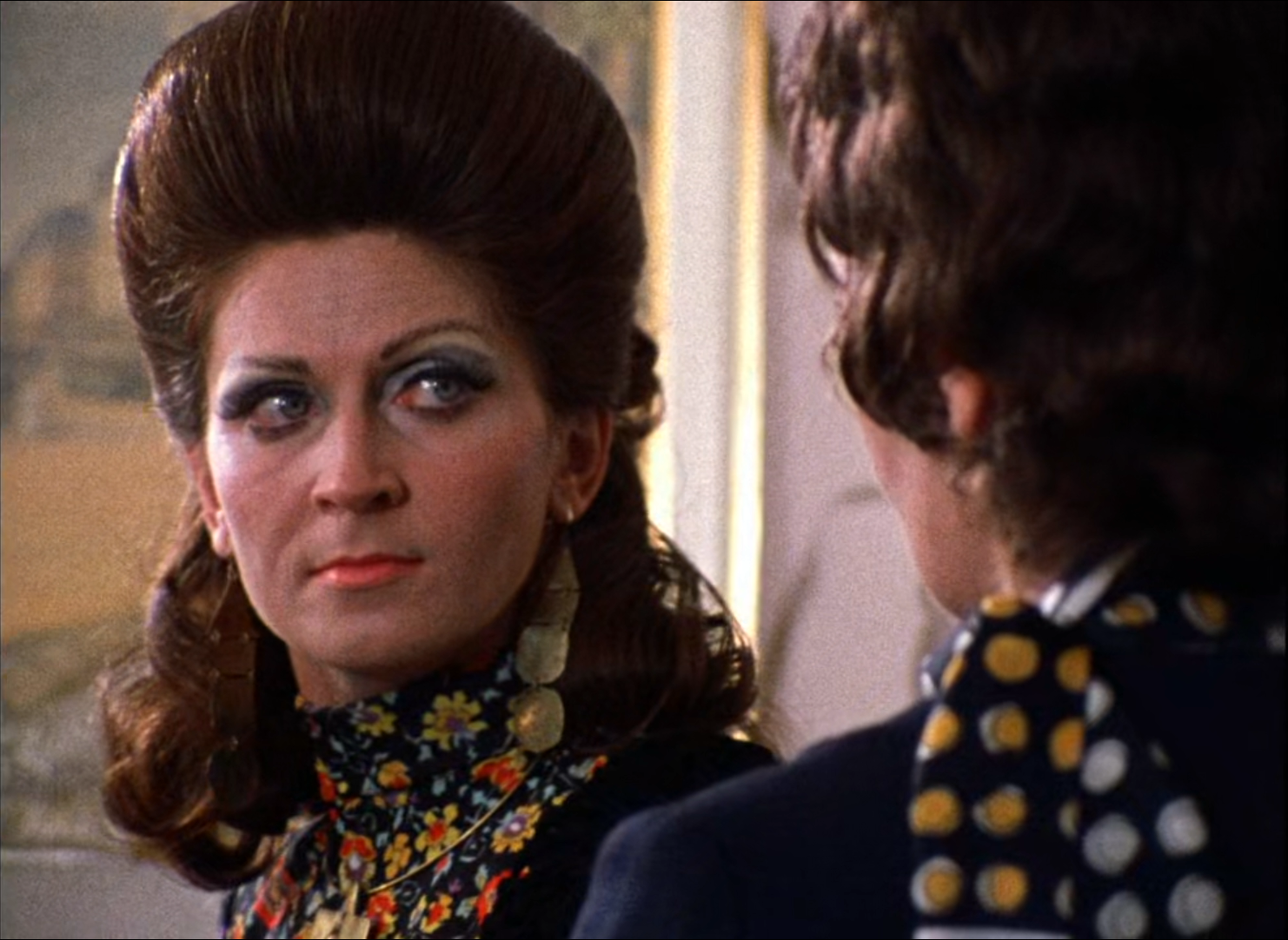
As her confidence grows, so too does her hair! The very last words Joan utters in the film is, “I’m a witch.” Her style is virtually the same, but the way she exists in a room has radically changed.
Guide
To dress like Joan, you’ll want to fully embrace the electric spirit of the 1970s. Look for saturated color and bold prints. Floral, paisley, and dots are all perfect choices. Whatever color you gravitate towards should be brilliant and worn shamelessly. Monochromatic looks are a must. You can achieve this with a maxi dress, a co-ord set, or jumpsuit. Flowy gowns are a vibe. Tight turtlenecks are also a vibe. Jewelry is your friend and you shouldn’t let it feel like the third wheel. Chunky necklaces, bauble rings, and metallic earrings can all live in harmony if you’re confident enough. No matter what your eye color is, an unforgettable eyeshadow shade will pull a look together. False eyelashes are like the pushup bras of the eyes, so investing in a good set is well worth it. Tracing your lid crease with liquid liner gives an instant mod look. Be sure to keep the lip color muted so your eyes can shine. Nails should be neutral toned so that they can match any hue you wear.
Patterned Dresses
Solid Hue Tops/Sweaters
Vintage Housecoats
Mock Neck Tops/Dresses
Statement Necklaces
Bold, Sparkly Rings
Hair Scarves
Metallic Earrings
Brown or Black Leather Shoes
The costumes for SEASON OF THE WITCH were sourced from Gimbels Department Store.

 Haunted by Deadlines